Acoustic Simulation & Modeling
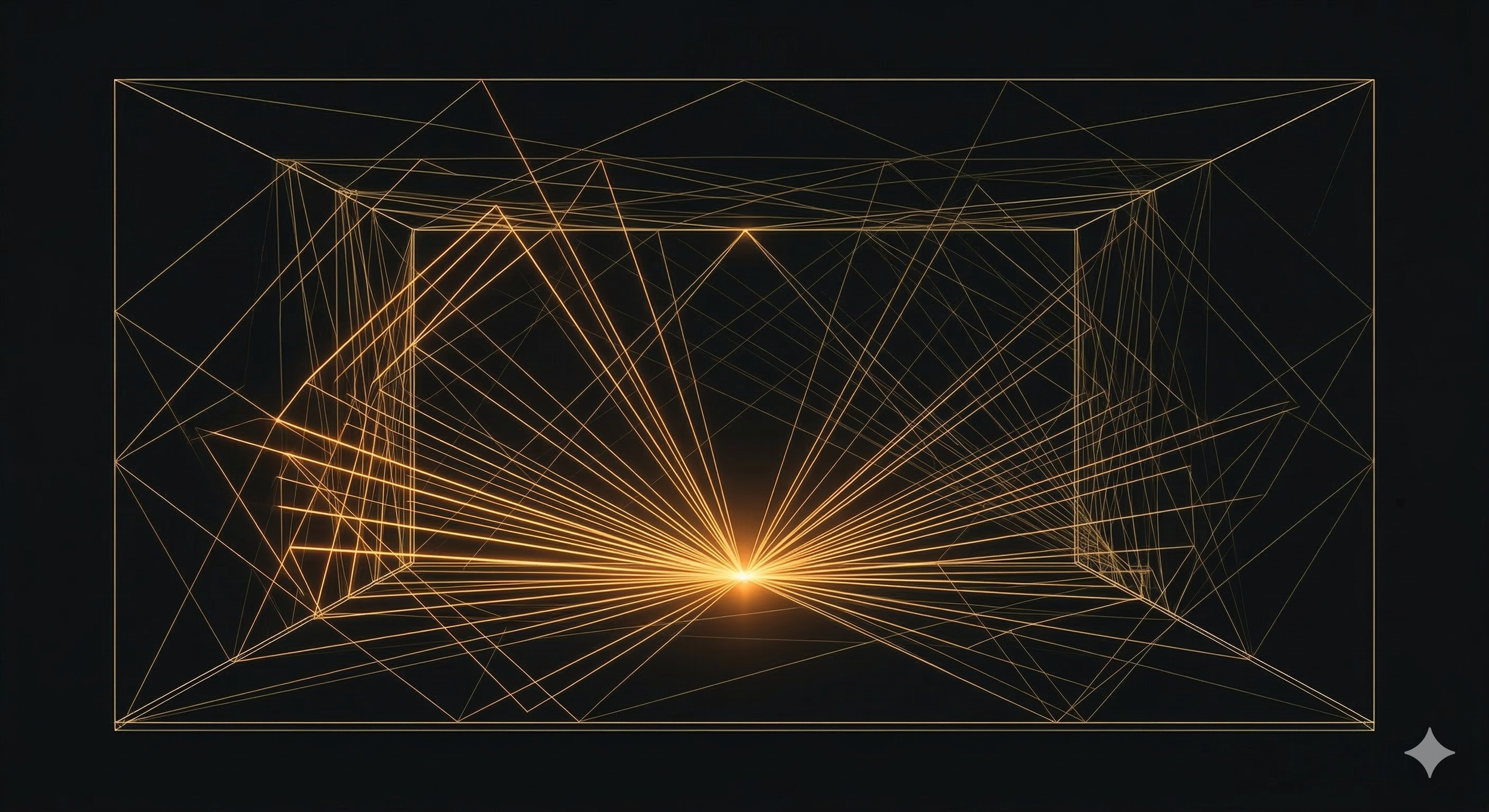
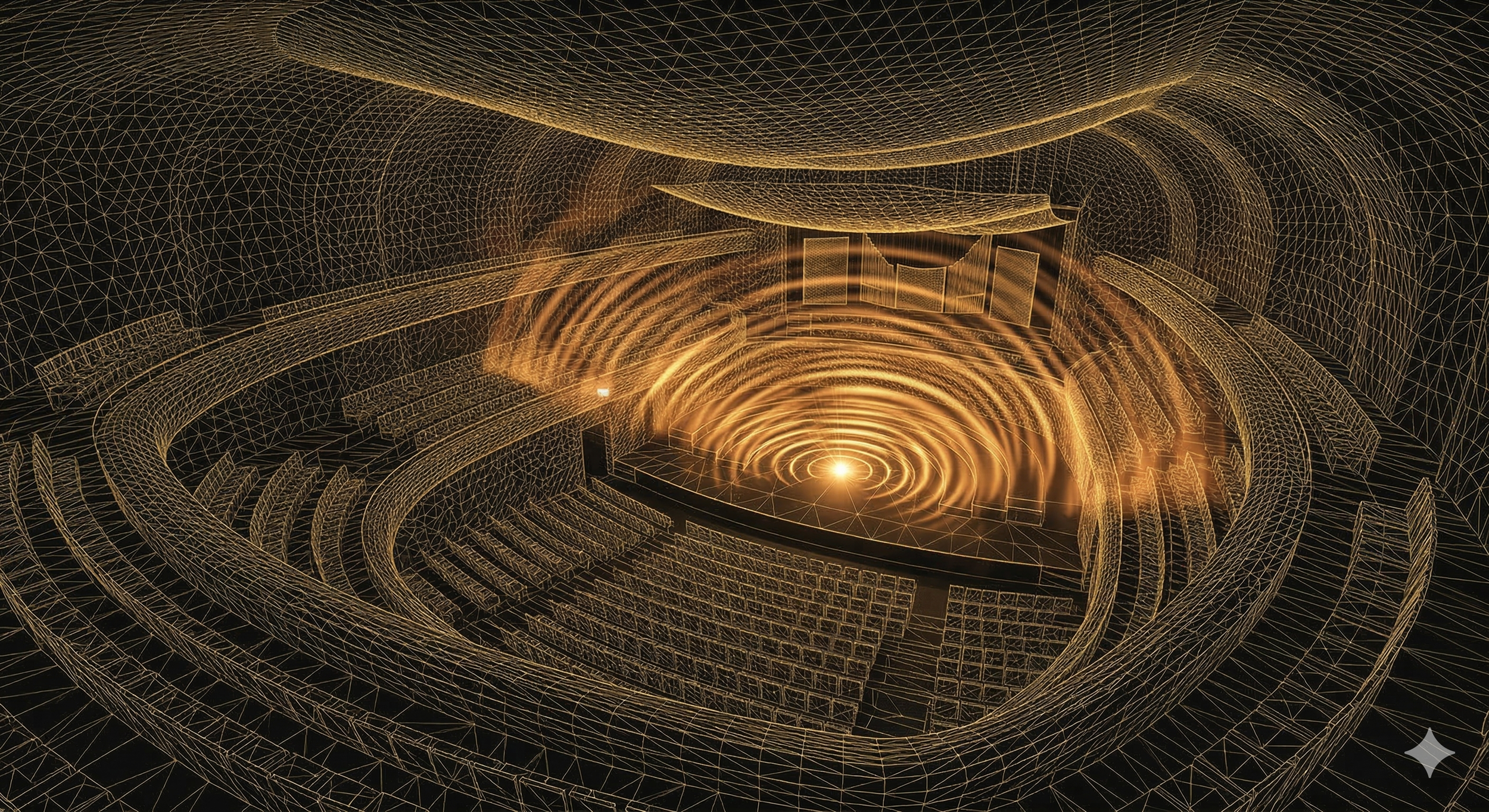
We build computational models of how sound will behave in a space before it exists. Using finite element methods, boundary element methods, FDTD simulation, and geometric ray-tracing, we predict acoustic performance with the precision that design-phase decisions require.
This is not measurement after the fact. It is predictive engineering — modeling sound propagation, reflection, diffusion, and reverberation from architectural geometry and material properties, then optimizing the design before construction begins.
What We Model
Room acoustics for performance venues, concert halls, recording studios, worship spaces, lecture halls, and experiential environments. Sound isolation between adjacent spaces in residential, commercial, and mixed-use buildings. HVAC noise propagation through duct systems and mechanical spaces. Outdoor sound propagation for environmental noise assessments and community impact studies.
Methods
Finite Element Methods (FEM) for low-frequency wave behavior and structural acoustics. Boundary Element Methods (BEM) for radiation and scattering problems. Finite-Difference Time-Domain (FDTD) for broadband transient analysis. Geometric ray-tracing and image-source methods for room acoustics prediction. Auralization rendering for perceptual evaluation of design alternatives.
Deliverables
Three-dimensional acoustic models of proposed spaces. Performance prediction reports with reverberation time, speech intelligibility, and sound level distribution. Auralization renderings that allow clients to hear the acoustic character of unbuilt spaces. Material and geometry optimization recommendations. Acoustic digital twin environments for ongoing performance monitoring.
Typical Engagement
Projects range from $15,000 for focused room acoustic analyses to $100,000 or more for complex venue simulations with parametric optimization. We work as a subconsultant to architecture firms or directly with developers and venue operators.